• Nepal Visa & Entry Guide 2026


    Nepal is one of the easiest Himalayan countries to enter as a tourist because most travelers can get a Tourist Visa on Arrival at major entry points (including Kathmandu’s Tribhuvan International Airport). The process is straightforward, but small mistakes (wrong photo size, missing cash/card, unclear passport validity) can waste a lot of time. This guide walks you through visa types, fees, the airport flow, and what to prepare so you land and get out of the airport fast.

    Visa-on-arrival service is also available at Gautam Buddha International Airport in Bhairahawa, and Pokhara International Airport in Pokhara.
    Tourist Visa Basics

    Nepal’s tourist visa is generally issued as a multiple-entry visa and is available in common durations like 15 days, 30 days, and 90 days. Official visa fees (USD) are as follows:

    15 days = $30

    30 days = $50

    90 days = $125

    If you’re planning a longer trip (trekking + cities + jungle + rest days), the 30-day visa is the usual sweet spot. If you’re trekking slowly or doing multiple regions (e.g., Kathmandu + Pokhara + Chitwan + a long trek), 90 days can be cheaper than extending later.

    Who can get Visa on Arrival?

    Nepal’s Department of Immigration publishes the Visa on Arrival process and requirements. Some nationalities can have different rules or need prior visas, so if your passport is uncommon, double-check official guidance before you fly.

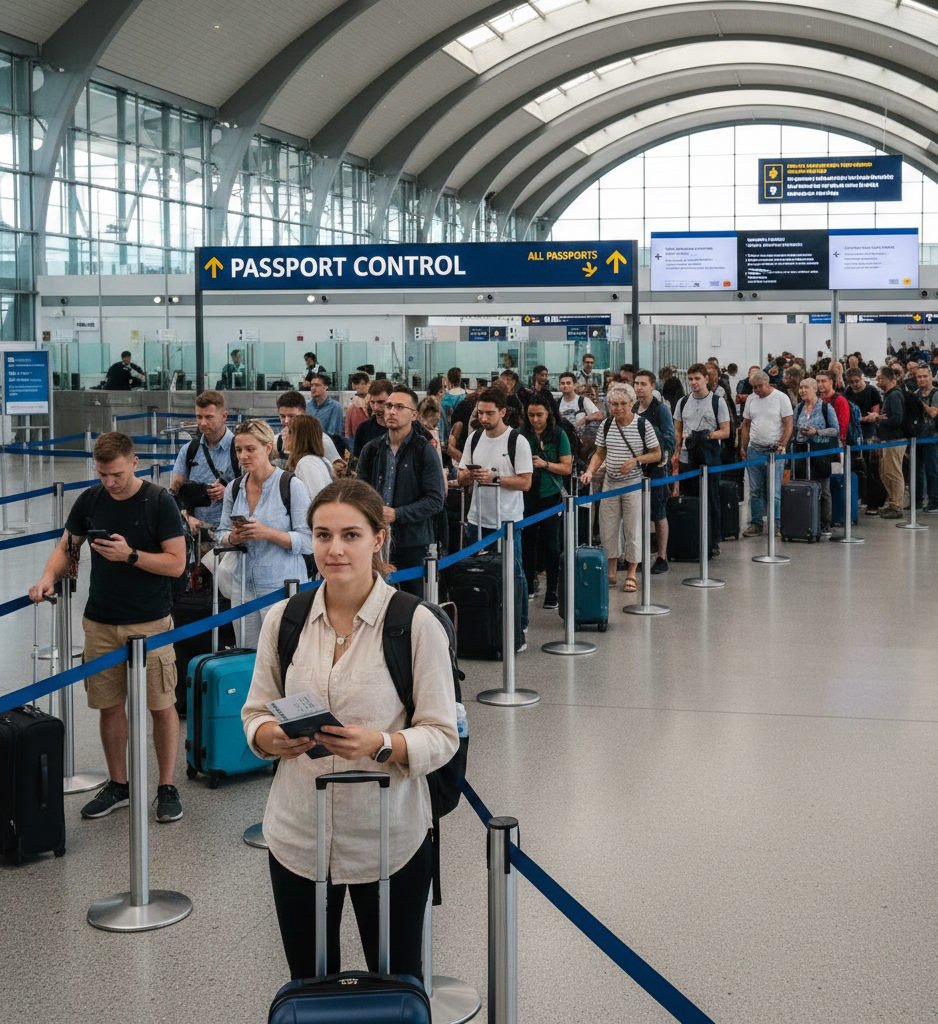
    Kathmandu Airport: Step-by-Step (Visa on Arrival)

    At Tribhuvan International Airport, the typical flow looks like this:

    1. Fill the online form (recommended)
      Nepal Immigration encourages using their online form (“visa on arrival” form). This saves time and reduces errors.
    2. Pay the visa fee
      The official process typically directs you to make payment according to your visa duration (15/30/90 days) and keep the receipt.
    3. Immigration counter: submit + stamp
      You’ll present your passport and form/receipt. Immigration will issue the visa and stamp your entry.

    Pro tip: Keep a screenshot/print of your online form confirmation and have a passport-style photo ready (even if not always requested). Airport systems can be slow during peak arrivals.

    What To Carry (to avoid delays)

    • Passport with sufficient validity (carry a photocopy too)
    • Visa fee payment method (USD is commonly referenced; carry a backup card/cash option)
    • A passport photo (handy for forms if needed)
    • Proof of accommodation for first nights (hotel booking screenshot is fine)
    • Rough itinerary + return/onward flight info (rarely demanded, but good practice)

    Extensions and Overstays

    Tourist visa extensions are possible, and official pages list extension pricing. Because rules and processes can change, treat extensions like an admin day: plan a morning, bring passport copies, and don’t leave it to the last 24 hours.

    Quick Entry Tips for Nepal Tourist Visa

    • Arrive earlier in the day if you can—queues build as more international flights land.
    • Don’t book a tight same-day domestic connection (Pokhara, Bharatpur, etc.) unless you’re comfortable with delays.
    • Have offline copies of your bookings and insurance (phone data can be patchy on arrival).

  • ALL Accor Hotels in Nepal

    If you collect ALL – Accor Live Limitless points (or you just like predictable international standards), Nepal is currently a simple market: there’s one Accor/ALL hotel officially listed in Nepal right nowMercure Kathmandu Sukedhara Heights.

    That “only one” is still a big deal, because it’s Mercure’s first hotel in Nepal, opened in January 2025, and it arrived positioned as a full-service, modern base for travelers who want Kathmandu’s energy outside their window—but a calm, polished retreat when they come back.

    (Side Note: Accor Plus is offering 2000 Reward Points extra from February 17, 2026)

    The one to know: Mercure Kathmandu Sukedhara Heights

    Accor lists the hotel as a 5-star Mercure with 104 rooms, built around convenience for both leisure and business stays. It’s in Sukedhara Heights (Kathmandu), about 4 km from Tribhuvan International Airport, and it’s a practical location if you want quick access to the city’s spiritual “musts”: Boudhanath is roughly 15 minutes away and Pashupatinath about 20 minutes.

    The hotel leans hard into the “reward yourself after Kathmandu” formula: a rooftop infinity pool, rooftop lounge/bar energy, plus fitness + steam & sauna—exactly what you want after a dusty day in the valley (or a jet-lagged arrival).

    Food is a major part of the pitch. Accor’s opening announcement calls out a multi-outlet lineup: DYNE (all-day dining), Sopra (Italian), Zaiqa (Indian), and Sukra Bar as the rooftop spot for views. Accor’s own listing also highlights five dining options, which is unusual for a “midscale” brand and helps explain why reviews often treat it like a higher-end stay.

    What guests and buzz tend to focus on

    Across review platforms, the repeated themes are cleanliness, modern rooms, strong service, and surprisingly good food—especially Indian options—plus that “wow” rooftop moment at sunset. On Accor’s own site, the hotel shows an ALL guest rating around 4.8/5, which lines up with the general “new hotel + attentive staff” vibe. Social-wise, the property’s official presence positions it as an “immersive discovery” Mercure and emphasizes the scale (104 rooms) and multiple outlets.

    Bottom line

    If you want ALL points/status recognition in Nepal, this is currently the single, clear option—and it’s a strong one: airport-friendly, close to the big heritage sites, and built to feel like a reward at the end of a chaotic Kathmandu day.


  • ALL Accor+ Explorer Cheapest in India

    If you’re considering ALL Accor+ Explorer and you have the option to buy it on the India checkout, the numbers can work out in your favor simply because you’re paying in INR.

    Seems getting the membership from the Indian Accor website will give instant $15 plus $47 = $62 discount? So you’re basically getting Explorer for around $167?

    Also, if travelling from Qatar Airways, their ongoing 10% discount for Accor seems enough to get in most of the $167 back, no? Am I missing something?

    The Math:

    Accor+ lists the India price at INR 19,499 per year. (go to ALL Accor+ Explorer India) At today’s USD/INR market rate of ~90.62, that converts to roughly:

    INR 19,499 ÷ 90.62 ≈ USD 215.2

    Meanwhile, the “Rest of the World” checkout lists the same Explorer membership at USD 229 per year. That’s a difference of about:

    USD 229 − USD 215.2 ≈ USD 13.8 (call it ~$14–$15)

    So the India pricing is effectively around fifteen dollars cheaper at current exchange rates, before you even consider card fees.

    Why this can be the better deal:

    1. Same core benefits, lower entry price. The Explorer bundle (Stay Plus free nights, dining discounts, and hotel-rate discounts) is marketed as a single membership product; paying less for the same package is a straightforward win if you’re eligible to purchase via India.
    2. Occasional sign-up promos can sweeten it further. Currently, from February 17, 2026, 2,000 ALL Reward points is being given with new memberships.

    Reality check: your bank’s conversion rate may differ from the mid-market rate, and prices/promos can change. But even with small swings, the INR checkout often stays cheaper—think of the difference as a free meal or a couple of local rides.

    Seems getting the membership from the Indian Accor website will give instant $15 plus $47 = $62 discount? So you’re basically getting Explorer for around $167?

    Also, if travelling from Qatar Airways, their ongoing 10% discount for Accor seems enough to get in most of the $167 back, no? Am I missing something?